An hour floating on the surface, gazing down at vivid coral reefs, is often the memory visitors treasure longest from a Phu Quoc trip. The most outstanding coral area, and the one with the most snorkelling boats coming and going, is the An Thoi archipelago in the south. The sections below will help you choose an islet to snorkel at, pack your bag, get used to a snorkel and know how to keep both yourself and the reef safe.
AN THOI: WATERS OF CORAL
The archipelago has a great many snorkelling spots, including Hon Mong Tay, Gam Ghi, inner May Rut, outer May Rut, Hon Thom, Hon Dua, Hon Goi, Hon Kim Quy, Hon Kho, Ong Doi Cape, Hon Roi, Hon Trang, Hon Dau, Hon Anh Tay and Hon Anh Dong. These broad waters hold many colourful coral reefs, with shells and clams living around them.
The author of the original article took visitors snorkelling here for about two years and remarked that few places they had seen had coral as beautiful and intact as this; some guests could not bear to get back on the boat.
WHICH ISLET TO SNORKEL AT
With so many spots, there is no need to see them all; one trip is enough for the experience. The most convenient choice is the four-island tour, also called the southern islands tour, as in one day you can snorkel, swim and visit several islets. Mong Tay and Gam Ghi are the two islets where many boats bring visitors to snorkel.
When booking a tour, don't hesitate to ask exactly which islets the boat will stop at that day. Each spot has a different depth and water clarity, and knowing in advance helps you judge whether it suits you. For more detail on each islet, see our article on the southern Phu Quoc islands by speedboat.
GETTING TO THE SNORKELLING SPOTS
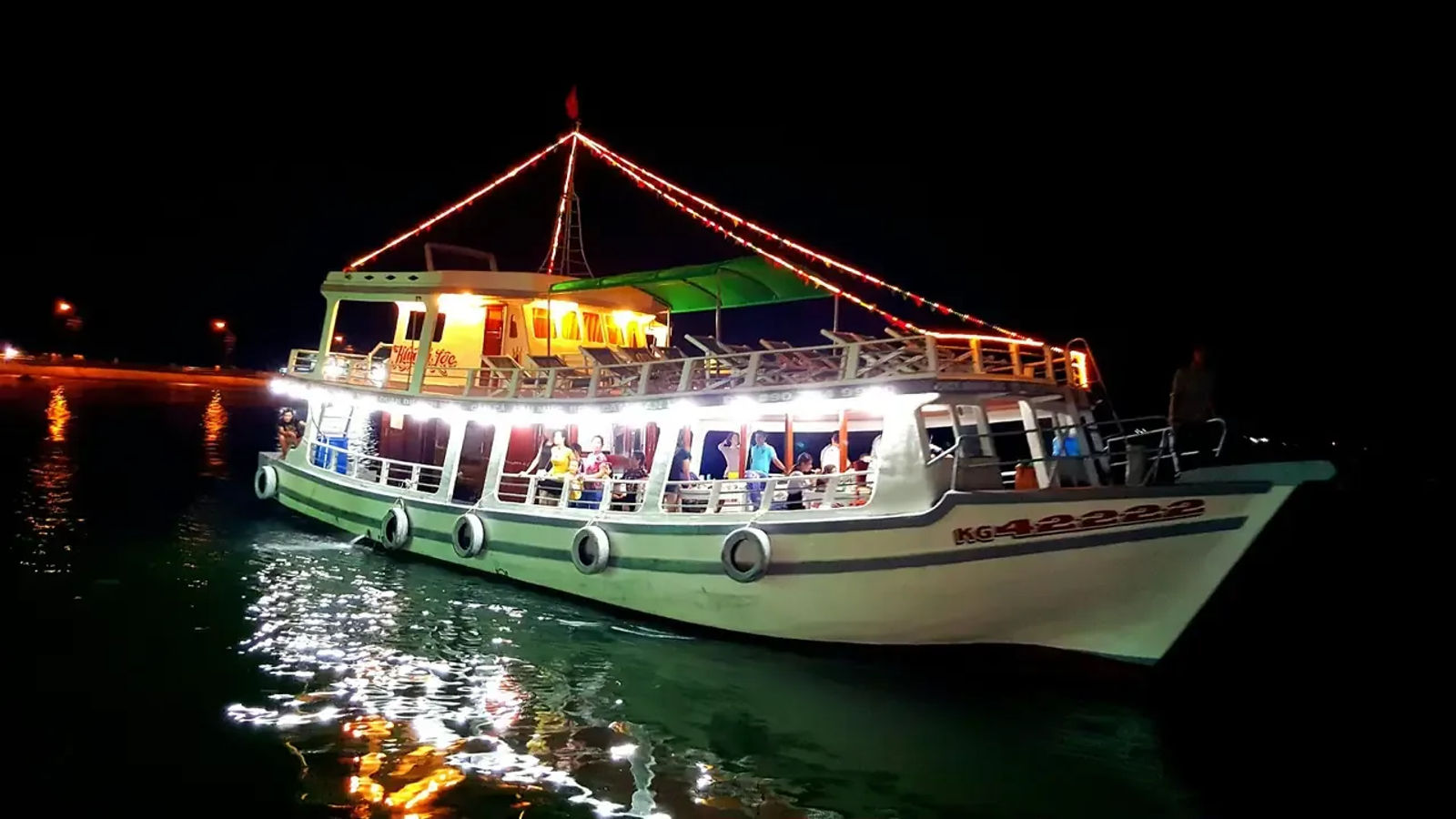
The islets with coral all lie south of Duong Dong town. Usually a car picks you up from where you are staying and drives down to An Thoi port, where you board a boat or speedboat out to the clear-water islets.
WHAT TO PACK FOR A SNORKELLING DAY
Swimwear and dry clothes to change into afterwards.
Your own mask and snorkel, if you want gear that fits your face snugly.
A long-sleeved sun top so your back does not burn while you float face down for hours.
Reef-safe sunscreen.
A waterproof pouch for your phone and documents.
TIPS FOR FIRST-TIME SNORKELLERS
You can enjoy the coral even if you are not a strong swimmer. Just put on a life jacket, float and look down to see the reef below. Before swimming further out, stand in the shallows and practise breathing through your mouth via the snorkel until it feels natural. If your mask fogs up or lets in water, simply lift your head, stand up or hold on to a float and adjust it. Move slowly, keep your breathing steady and there is no need to kick hard.
RESPECT THE REEF
Do not step on, stand on or touch the coral; it grows very slowly and once broken it easily dies.
Do not break off or pick up coral, shells or stones to take home as souvenirs.
Do not feed the fish or chase marine creatures.
Keep your feet up so you do not stir up sand that clouds the water and settles over the reef.
SAFETY FIRST
Wear a life jacket every time you go in the water, however well you swim.
Check the weather forecast the day before; if the sea is rough or the wind strong, change the date rather than pushing on.
Only snorkel with a local guide who knows where the water is deep and where the currents run.
Stay near the boat and within sight of the group; do not swim off alone.
Drink plenty of water, rest between swims and tell your guide straight away if you feel tired or cold.
If you would like to spend a whole day enjoying the coral in the south of the island, message Đất Phú on Zalo, call or email and we will share boat schedules and snorkelling islets and help plan your itinerary.