About 120 km south-east of Phan Thiet, Phu Quy, or Cu Lao Thu as locals call it, is a small island with enough scenery, historic sites and sea experiences for a few days of wandering. The main island covers just over 18 km², ringed by smaller islets such as Hon Tranh, Hon Do, Hon Hai and Hon Da Cao.
WHEN TO GO TO PHU QUY
Roughly December to June is the best time. In spring and summer the sea is flat and clear and the wind is light, ideal for speedboat trips to the small islets. September to November is the stormy period. Whatever month you choose, keep an eye on the weather forecast for a few days before you set off.
GETTING TO THE ISLAND
The only way to reach Phu Quy is by boat from Phan Thiet port, a crossing of around 2.5 to 3.5 hours depending on the vessel. Most sailings are in the morning, sometimes with an extra early or afternoon departure. There are only one or two sailings each way per day, so if you miss the boat you will have to wait until the next day; ask Đất Phú for up-to-date departure times.
This route often has cross swells and plenty of currents, so the boat tends to roll. If you are prone to seasickness, take medication before boarding. In peak season tickets sell out fast, so book early.
There are no taxis on the island yet; most visitors rent a motorbike from where they are staying. One main road loops around the island, so getting around is quite straightforward.
WHERE TO STAY ON THE ISLAND
On Phu Quy you can choose between homestays, guesthouses and budget hotels; there are no large resorts yet. In busy season rooms go very early. If you are travelling as a group or family, tell Đất Phú how many of you there are and we will find suitable rooms.
EXPLORING THE MAIN ISLAND
Without visiting the islets, it takes about a day to go all the way round the main island.
- Trieu Duong Bay: a pretty little beach with calm blue water, where islanders flock for a swim in the late afternoon.
- Sovereignty flagpole: a stop almost every visitor to Phu Quy makes.
- Bai Nho: a crescent-shaped beach backed by the mountain; park by the road and follow the footpath down.
- Ganh Hang: sheer cliffs right at the water's edge, about 650 m from Bai Nho; wear shoes with good grip, go with a local and do not stand near the edge for photos, as waves can surge up.
- Cao Cat Peak: around 106 m high, among the highest points on the island, with weathered rock faces carved into horizontal grooves; you can stop at Linh Son Pagoda on the way.
- Phu Quy Lighthouse: built on Cam Mountain, offering a view over the whole island.
- Van An Thanh: home to the skeleton of a whale that washed ashore on the island in 1941.
- Princess Ban Tranh Temple and Dinh Thay Nai: two historic sites that tell of the island's early settlement.
- Long Hai fish market: arrive just after dawn to watch the boats come in and buy seafood at its freshest.
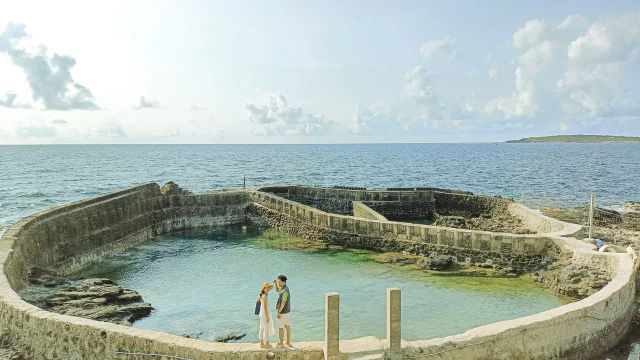
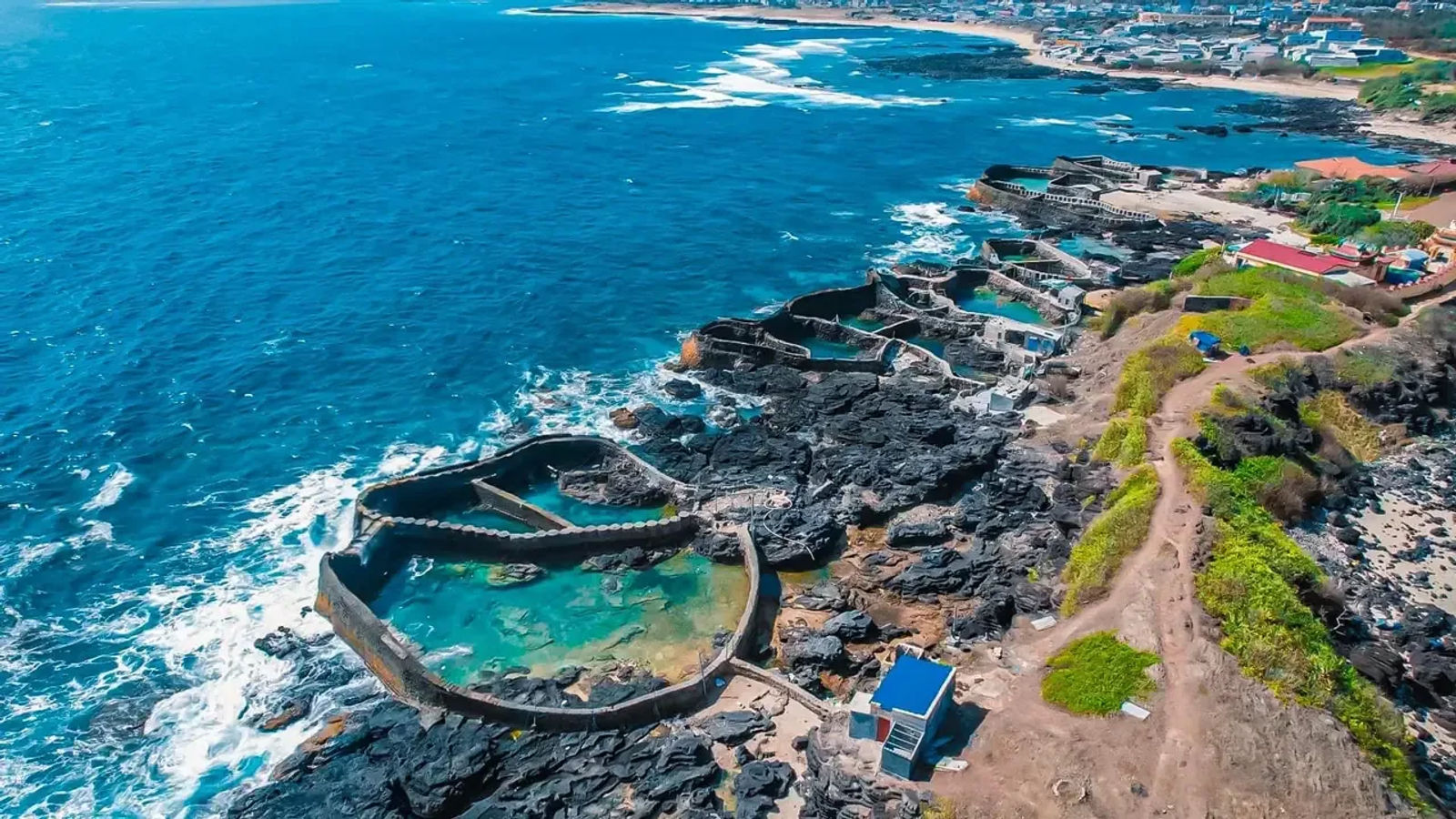
- Lang Duong fish ponds: locals stack stones to enclose pools where they farm seafood naturally.
TO THE SMALL ISLETS
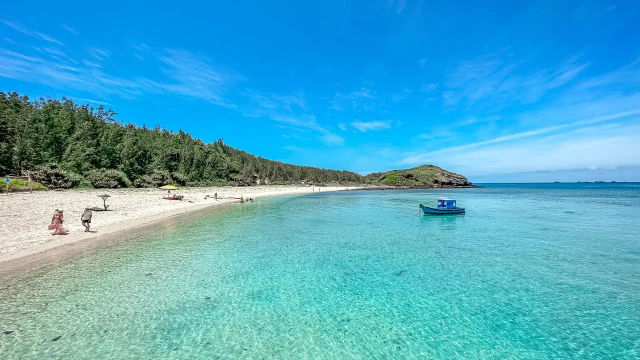
According to locals, Hon Tranh and Hon Den are the two islets that are both beautiful and safe, just around ten minutes away by speedboat. Trips to the islets usually include fishing, snorkelling over coral, photos and lunch on a floating raft, where whatever you catch is cooked on the spot.
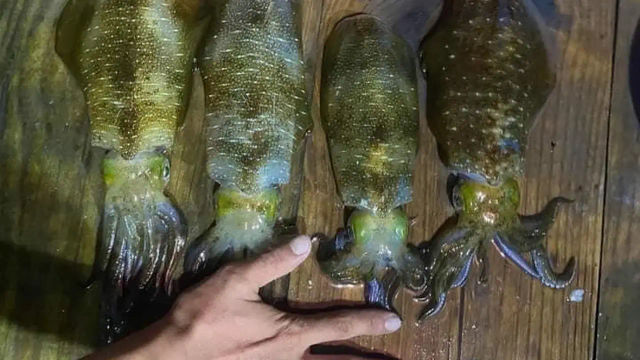
If you love the sea at night, don't miss squid fishing with local fishermen; see our article on night squid fishing on Phu Quy.
WHAT TO EAT
Visitors usually head to the floating raft villages for seafood. Be sure to try the frog crab and the moon crab; both need to be ordered in advance. The island is also known for its distinctive bo nong, hot-stone beef.
BEFORE YOU GO
- The island is windy, so wear practical clothes and keep a firm hold of your hat and sunglasses when riding.
- If you plan to camp overnight, ask your accommodation to help you get permission beforehand.
- Foreign visitors can visit the island, but the permit process takes time, so let Đất Phú know early.
SAMPLE ITINERARY
Three days and two nights is enough to explore the whole main island: the first day for the boat over, the second for riding around the island, and one day for the islets before heading back. With four or five days you can add Hon Hai and the more distant islets.
Contact Đất Phú via Zalo, phone or email for advice on a package covering boats, accommodation and speedboat trips to the islets.