As Vietnam's largest island, Phu Quoc has enough blue sea, old-growth forest, fishing villages and pagodas to fill a long trip. Set in the Gulf of Thailand, the island lies about 45 km from Ha Tien and about 120 km from Rach Gia, and stretches some 52 km from north to south. It is known as the island of 99 mountains, the highest being Chua Mountain in the Ham Ninh range. Below is the essential information to help you plan.
CHOOSING WHEN TO GO TO PHU QUOC
In summer the strong south-west wind whips up big waves on most of the island's beaches. Sao Beach in the south-east corner, however, stays calm, so from roughly June to October make it your first choice. Food lovers will also enjoy the south-west monsoon, as it is herring season, peaking around the seventh and eighth lunar months. Whatever the month, check the weather forecast before booking any speedboat tours.
GETTING TO THE ISLAND
- By air: fly from Saigon to Phu Quoc International Airport, the quickest and most convenient option.
- By road and boat: take an overnight sleeper bus from Saigon to Ha Tien, then a fast boat to the island the next morning.
Boat schedules vary by operator and may change; Đất Phú will double-check flight and boat times before making a booking.
To get around the island, take a taxi or motorbike taxi, or rent a motorbike in the town centre. Some roads down to the beaches are still rough, so ride slowly and carefully.
WHERE TO STAY
Duong Dong is the centre, with plenty of hotels and resorts and a night market for an evening stroll. An Thoi in the south is where speedboats leave for the small islands, and it is also home to the cable car station for Hon Thom. If you are travelling as a group or family, just tell Đất Phú how many of you there are and we will suggest suitable rooms.
THE SOUTH OF THE ISLAND AND THE SMALL ISLANDS
The An Thoi archipelago in the south has many islets with white sand and clear water.
- Hon Mong Tay, May Rut, Gam Ghi: the familiar trio on a one-day speedboat tour, with white sand, coconut palms and snorkelling spots; our article on the southern Phu Quoc speedboat tour has more details.
- Hon Thom cable car: the line crosses the sea from An Thoi to Hon Thom, giving you sweeping views over the whole archipelago; on arrival there is a white-sand beach for swimming and plenty of water activities.
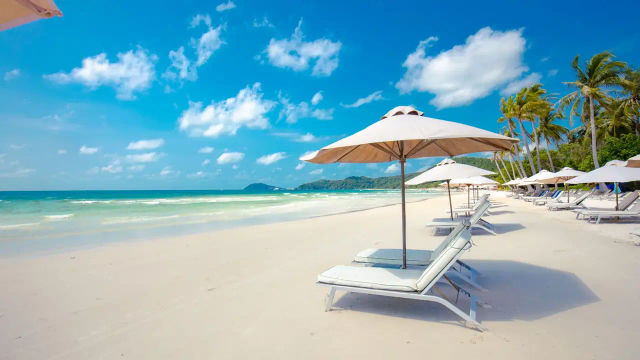
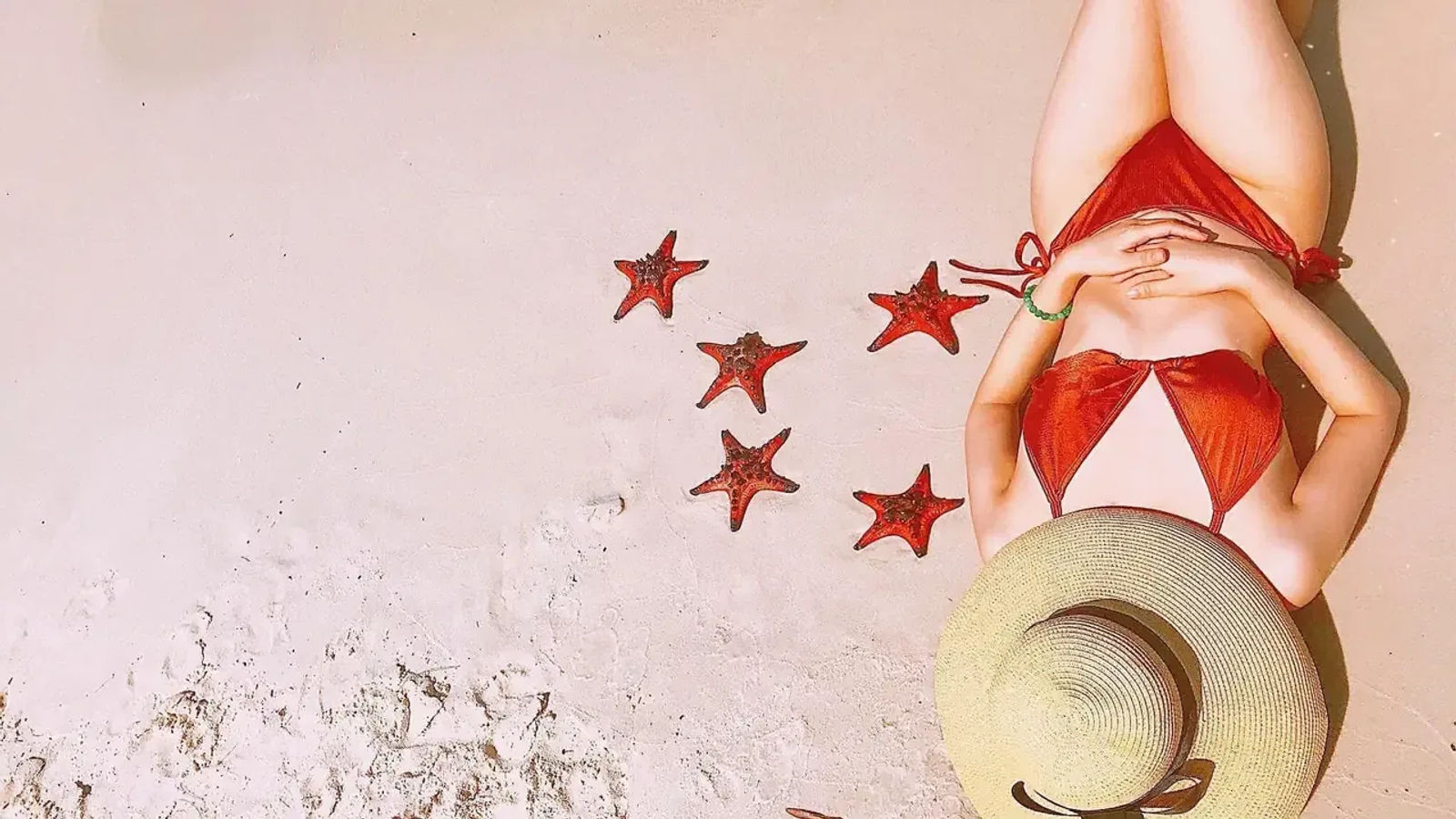
- Sao Beach: fine white sand and clear blue water; the name comes from the starfish that often crawl up onto the shore at night.
- Ho Quoc Pagoda: officially Truc Lam Ho Quoc Zen Monastery, the largest on the island, built in the architectural style of the Ly and Tran dynasties and facing the sea.
- Khem Beach: come in herring season and you will see fishermen shaking out their nets and selling fish right on the sand.
THE NORTH OF THE ISLAND, LAND OF STARFISH
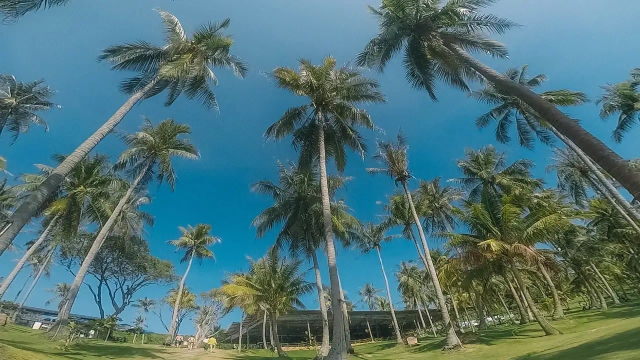
The road to the north runs through primeval forest often described as the island's green lungs.
- Rach Vem fishing village: more than 20 km north of Duong Dong, home to about 180 households, with floating houses and long wooden piers reaching out to sea.
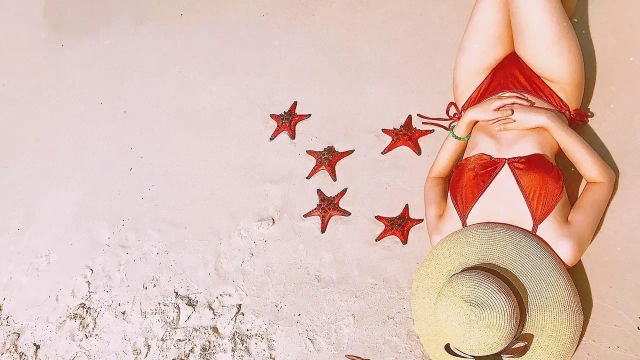
- Ham Rong Cape: a beach tucked inside the national forest, with clear water and plenty of red starfish; about five minutes by speedboat from Rach Vem.
- Cua Can bee farm: a stop to taste wild honey and see products made from it.
Starfish are very fragile because their nervous system runs throughout their arms. Feel free to take photos with them in the water, but avoid lifting them out or placing them on the sand.
AROUND DUONG DONG AND THE EAST COAST
- Dinh Cau: a small shrine on a rocky outcrop at the river mouth; legend has it that fishermen built it to pray for protection from wind and waves.
- Suoi Tranh: a stream flowing down from the Ham Ninh range, tumbling over rocks in a series of small waterfalls.
- Ham Ninh fishing village: a simple old village where people make a living from net fishing and gathering sea cucumbers and pearls.
- Fish sauce factory: see for yourself how islanders brew their famous fish sauce.
- Phu Quoc Prison: a historical site; please be respectful and listen closely to the guide.
PHU QUOC SPECIALTIES
The most famous dish is herring salad: fresh fish filleted and mixed with lime, grated coconut, peanuts and fried shallots, then rolled in rice paper with fresh herbs and dipped in the island's fish sauce. Don't miss bun quay, another local speciality. At Rach Vem you will be served lunch on a floating house with crab, fish, squid, mantis shrimp, sea urchin and all kinds of shellfish. For gifts, you can choose wild honey, fish sauce or tinned peppered herring.
STAYING SAFE ON THE BEACH AND AT SEA
- During the south-west monsoon many beaches have big waves; look for sheltered ones such as Sao Beach and ask locals before swimming.
- Wear a life jacket whenever you board a speedboat, swim at quiet beaches or go snorkelling.
- When snorkelling, use the safety gear as instructed and never stand on the reef.
- Banana boats, jet skis and SUP are best enjoyed only when the sea is calm and someone is supervising.
- Pack sunscreen, a hat, a towel and light sandals for island trips.
SUGGESTED ITINERARY
- Day 1: arrive on the island; in the afternoon take a speedboat around the small southern islands and return by the Hon Thom cable car.
- Day 2: head north to visit Cua Can bee farm, Ham Rong Cape and Rach Vem fishing village.
- Day 3: visit Ho Quoc Pagoda and Ham Ninh fishing village, swim at Sao Beach and wrap up your trip.
If you have a spare day, spend it on Suoi Tranh, Dinh Cau, Phu Quoc Prison and a fish sauce factory.
Contact Đất Phú via Zalo, phone or email and we will help with tickets, rooms and speedboat schedules for your whole group.